
Volatile Organic Compounds (VOCs) are commonly found in industries such as oil and gas, petrochemicals, chemical manufacturing, pharmaceuticals, and environmental monitoring. While many VOCs are essential to industrial processes, unintended emissions can create safety risks, contribute to air pollution, and lead to regulatory compliance challenges.
As environmental regulations become more stringent, companies are increasingly investing in advanced monitoring technologies. A VOC gas detector has become one of the most effective tools for identifying fugitive emissions, improving workplace safety, and supporting emissions reduction programs.
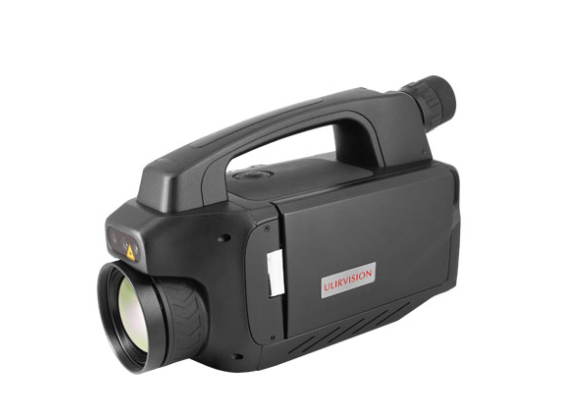
Many VOC leaks are difficult to detect through routine visual inspections because the gases are colorless and often odorless. A modern VOC detector helps maintenance teams locate leaks before they become larger operational or environmental problems.
Common sources of VOC emissions include:
Valves and flanges
Storage tanks
Pumps and compressors
Pipelines
Processing equipment
Loading and unloading systems
Early detection allows operators to repair leaks quickly, reducing product loss and minimizing environmental impact.
| Benefit | Operational Impact |
| Faster Leak Detection | Reduces inspection time |
| Lower Product Loss | Improves operational efficiency |
| Improved Safety | Minimizes exposure risks |
| Better Compliance | Supports environmental regulations |
For facilities managing large numbers of assets, routine VOC monitoring can significantly improve maintenance effectiveness.
Environmental agencies around the world continue to increase their focus on fugitive emissions. Many industrial facilities are now required to implement Leak Detection and Repair (LDAR) programs to identify and mitigate VOC releases.
A VOC gas detector helps organizations:
Detect emissions early
Document inspection activities
Prioritize repair schedules
Demonstrate compliance efforts
Reduce environmental liabilities
By integrating VOC monitoring into regular maintenance programs, companies can better manage emissions while avoiding costly compliance issues.
Beyond environmental concerns, VOC leaks can present health and safety risks for workers. Exposure to certain volatile organic compounds may cause irritation, dizziness, respiratory discomfort, or other health effects depending on the substance and concentration.
A reliable VOC detector helps safety teams identify hazardous leaks before personnel are exposed to elevated concentrations.
| Facility Area | Potential VOC Sources |
| Processing Units | Pumps, valves, compressors |
| Storage Areas | Tanks and transfer systems |
| Loading Facilities | Fuel and chemical transfers |
| Pipelines | Connectors and fittings |
Regular inspections help create safer working environments while reducing the risk of unexpected incidents.
Not all VOC monitoring solutions are designed for the same applications. The ideal VOC gas detector depends on factors such as facility size, target compounds, inspection frequency, and operational requirements.
When evaluating a solution, consider:
The detector should be capable of identifying the VOCs commonly encountered in your facility.
Advanced imaging-based systems can inspect larger areas more quickly than traditional point-measurement devices.
Integrated reporting and analysis tools help simplify recordkeeping and compliance documentation.
Industrial environments often require equipment capable of operating in challenging conditions.
Selecting the right detection technology can improve both operational efficiency and long-term maintenance planning.
A VOC gas detector plays a critical role in modern industrial operations. From reducing fugitive emissions and improving regulatory compliance to enhancing worker safety and supporting predictive maintenance, VOC monitoring has become an essential part of responsible facility management.
As industries continue to prioritize environmental performance and operational reliability, investing in effective VOC detection technology can help organizations identify problems earlier, reduce risks, and improve overall efficiency.
A VOC gas detector is used to identify and monitor volatile organic compound emissions in industrial and commercial environments.
VOC emissions can impact air quality, workplace safety, environmental compliance, and operational efficiency.
Oil and gas, petrochemical, chemical processing, pharmaceutical, manufacturing, and environmental monitoring industries frequently use VOC detectors.
Yes. Early leak detection allows facilities to address issues before they result in equipment damage, product loss, or costly repairs.
Inspection frequency depends on facility requirements, operating conditions, and applicable environmental regulations, but routine monitoring is generally recommended as part of a preventive maintenance program.